
 EN
EN
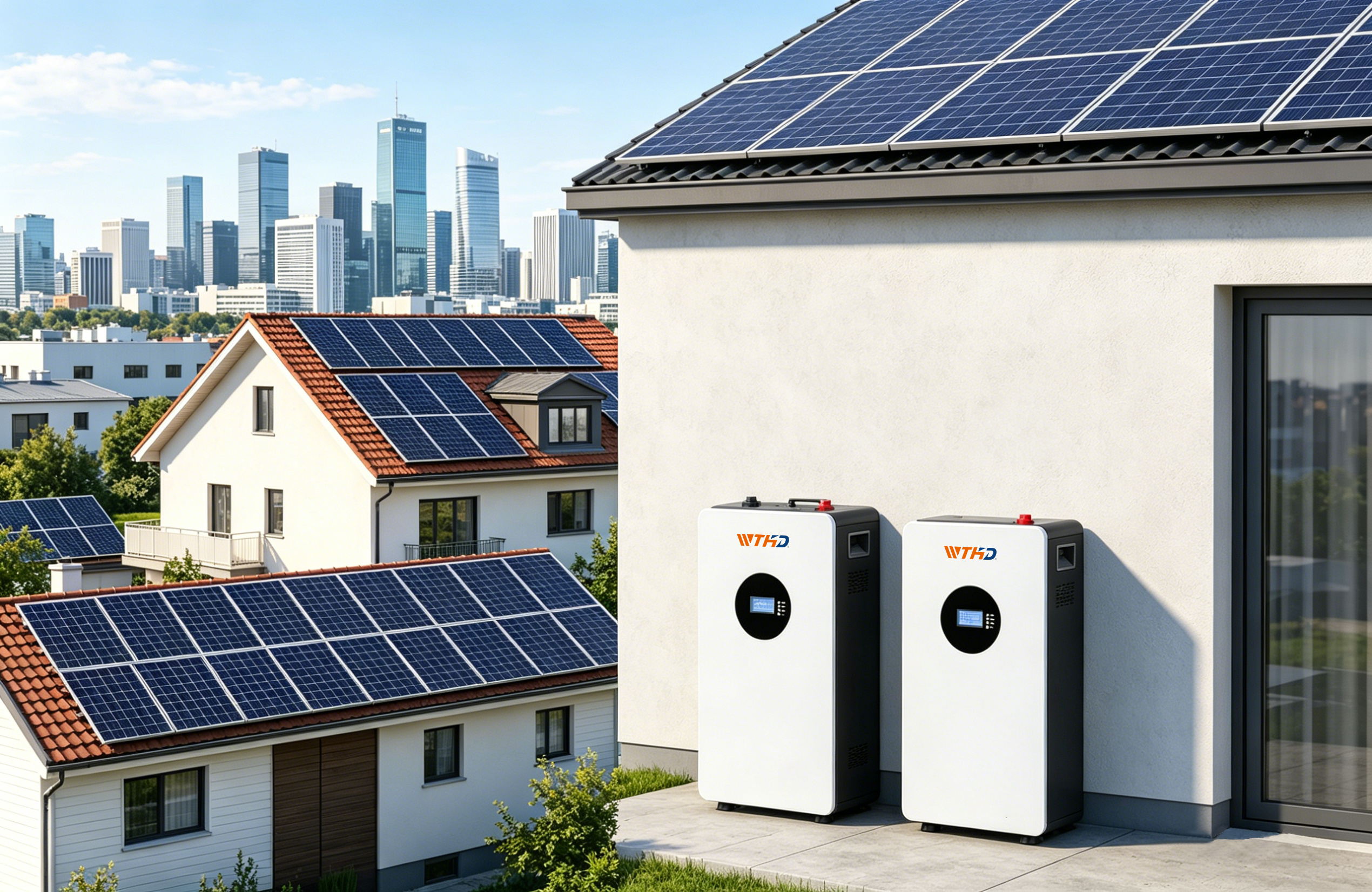
লিথিয়াম ব্যাটারির দাম হ্রাস, নবায়নযোগ্য শক্তি এবং শক্তি ব্যবহারের বৃদ্ধি এবং গ্রিড স্থিতিশীলতার প্রয়োজনীয়তা বৃদ্ধির ফলে বিশ্বব্যাপী শক্তি সঞ্চয় বাজারে দ্রুত রূপান্তর ঘটছে। স্থির শক্তি সঞ্চয়ের জন্য সবচেয়ে সাধারণ রাসায়নিক উপাদান হয়ে উঠেছে লিথিয়াম আয়রন ফসফেট (LiFePO 4) যা লেড-অ্যাসিড এবং অন্যান্য লিথিয়াম-ভিত্তিক রাসায়নিক উপাদানগুলিকে প্রতিস্থাপন করেছে। নিম্নলিখিত তিনটি প্রধান প্রবণতা লিথিয়াম ব্যাটারি শক্তি সঞ্চয় বাজারকে প্রভাবিত করছে।
১. বাসগৃহ ও বাণিজ্যিক শক্তি সঞ্চয় ব্যবস্থায় LiFePO₄-এর ব্যবহার বৃদ্ধি
LiFePO 4ব্যাটারিগুলি এখন বাসগৃহ ও বাণিজ্যিক শক্তি সঞ্চয় ব্যবস্থায় পছন্দের বিকল্প হয়ে উঠেছে। লেড-অ্যাসিড এবং এনএমসি (নিকেল-ম্যাঙ্গানিজ-কোবাল্ট) লিথিয়ামের তুলনায় এদের সুবিধাগুলি আকর্ষণীয়:
নিরাপত্তা: LiFePO 4তাপীয়ভাবে স্থিতিশীল এবং তাপীয় অস্থিতিশীলতা (থার্মাল রানওয়ে) ঘটার কোনো সম্ভাবনা নেই; ফলে এটি বাড়ি, খুচরা দোকান এবং অফিস ভবনের মতো অভ্যন্তরীণ পরিবেশে ব্যবহার করা যায়।
দীর্ঘ চক্র জীবন: ৮০% ডিসচার্জ গভীরতায় ৪,০০০–৬,০০০ চক্র, যা NMC-এর তুলনায় ১,০০০–২,০০০ চক্র এবং লেড-অ্যাসিডের তুলনায় ৩০০–৫০০ চক্র।
বৃহৎ ব্যবহারযোগ্য ক্ষমতা: ৮০–১০০% ডিসচার্জ গভীরতা, যা লেড-অ্যাসিডের তুলনায় ৫০–৬০%।
বাসস্থানের বাজারে, বাড়ির মালিকরা LiFePO 4ব্যাটারি এবং ছাদের উপর সৌর প্যানেল একত্রিত করছেন যাতে তারা শক্তি স্বাধীন হতে পারেন এবং গ্রিড লক থেকে রক্ষা পেতে পারেন। বাণিজ্যিক পরিবেশে খুচরা চেইন, হোটেল এবং অফিস কমপ্লেক্সগুলি LiFePO₄ স্টোরেজ ব্যবহার করে শীর্ষ লোড কমানো, চাহিদা-ভিত্তিক চার্জ হ্রাস করা এবং ব্যাকআপ পাওয়ার সরবরাহ করা। গত পাঁচ বছরে LiFePO₄-এর মূল্য ৭০% এর বেশি কমে যাওয়ায় এই সিস্টেমগুলি সাবসিডি ছাড়াই অর্থনৈতিকভাবে সম্ভব হয়ে উঠেছে।
২. লিথিয়াম ব্যাটারির সৌর এবং হাইব্রিড ইনভার্টার সিস্টেমের সাথে একীভূতকরণ
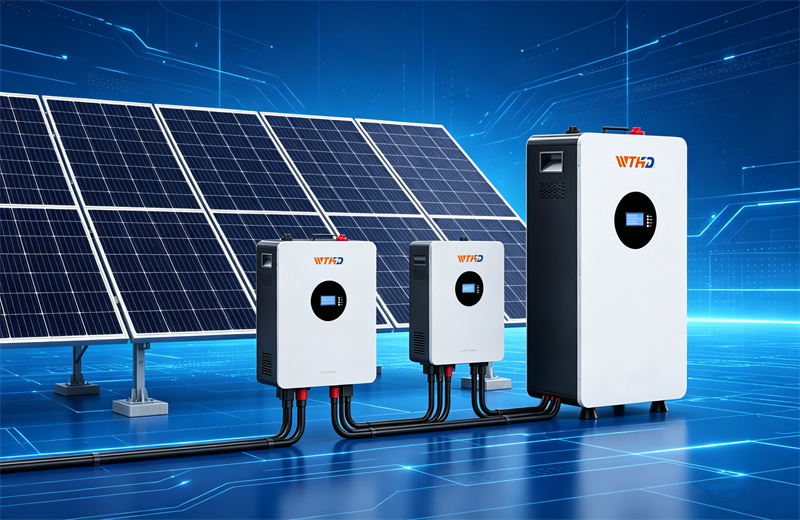
ডিসি-কাপলড সোলার-প্লাস-স্টোরেজ সিস্টেমের দিকে একটি বৃদ্ধিপ্রাপ্ত প্রবণতা লক্ষ্য করা যাচ্ছে। নতুন ইনস্টলেশনগুলি এখন হাইব্রিড ইনভার্টার ব্যবহার করে যা ফটোভোলটাইক (PV) অ্যারে, ব্যাটারি ব্যাঙ্ক এবং গ্রিড ইন্টারঅ্যাকশন নিয়ন্ত্রণ করে। এই সিস্টেমগুলি লিথিয়াম ব্যাটারির সাথে সামঞ্জস্যপূর্ণ, কারণ এদের বিস্তৃত ভোল্টেজ রেঞ্জ, দ্রুত চার্জ/ডিসচার্জ ক্ষমতা এবং যোগাযোগ করার সুযোগ (CAN বাস, RS485, Modbus) রয়েছে।
প্রধান ইন্টিগ্রেশন সুবিধাগুলি হবে:
রাউন্ড-ট্রিপ দক্ষতা বৃদ্ধি: লিথিয়াম সিস্টেমগুলির দক্ষতা ৯২-৯৬% যা লেড-অ্যাসিডের তুলনায় অধিক (এবং লেড-অ্যাসিডের দক্ষতা ৮০-৮৫%), যার অর্থ স্টোরেজে কম শক্তি নষ্ট হয়।
প্রতিক্রিয়া সময় হ্রাস: লিথিয়াম ব্যাটারিগুলি লোড পরিবর্তনের প্রতি মিলিসেকেন্ড সময়ের মধ্যে প্রতিক্রিয়া জানায়, যা ইউপিএস এবং গ্রিড স্থিতিশীলকরণ সিস্টেমগুলিতে প্রয়োজনীয়।
স্কেলযোগ্যতা: মডুলার লিথিয়াম ব্যাটারিগুলি ইনস্টলারদের গ্রাহকের প্রয়োজনীয়তা অনুযায়ী ধাপে ধাপে ক্ষমতা বৃদ্ধি করতে সক্ষম করে।
বাণিজ্যিক ও শিল্প প্রয়োগের ক্ষেত্রে, নিম্ন-ভোল্টেজ লেড-অ্যাসিড ব্যাটারি স্ট্রিংগুলিকে উচ্চ-ভোল্টেজ লিথিয়াম ব্যাটারি র্যাক (৪০০ ভোল্ট এবং সর্বোচ্চ ৮০০ ভোল্ট) দ্বারা প্রতিস্থাপন করা হচ্ছে, যার ফলে তারের ক্ষতি এবং ইনস্টলেশন ব্যয় কমিয়ে আনা যাচ্ছে। শেনচেন ওয়েইটু হংদা সহ অধিকাংশ প্রধান নির্মাতা কোম্পানিই ডুয়াল এমপিপিটি ট্র্যাকারযুক্ত হাইব্রিড ইনভার্টার বিক্রয় শুরু করেছে যা লিথিয়াম-সামঞ্জস্যপূর্ণ চার্জিং প্রোফাইল দিয়ে চার্জ করতে সক্ষম।
৩. ভবিষ্যতের প্রবণতা: স্মার্ট ব্যাটারি ম্যানেজমেন্ট সিস্টেম (বিএমএস), দূর থেকে নজরদারি এবং মডুলার ব্যাটারি ডিজাইন
লিথিয়াম ব্যাটারি স্টোরেজের প্রথম প্রজন্মকে তিনটি প্রযুক্তিগত প্রবণতা দ্বারা চিহ্নিত করা হবে:
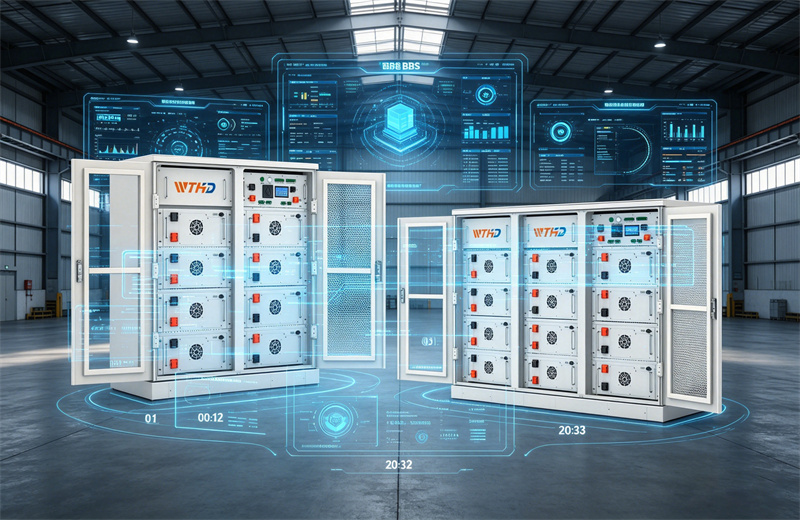
স্মার্ট ব্যাটারি ম্যানেজমেন্ট সিস্টেম (বিএমএস): উন্নত বিএমএস-এ সেল ব্যালেন্সিং, তাপমাত্রা নিয়ন্ত্রণ, চার্জের অবস্থা (এসওসি) এবং স্বাস্থ্যের অবস্থা (এসওএইচ) অনুমান করা এবং ত্রুটি নির্ণয়ের মতো বৈশিষ্ট্য রয়েছে। নতুন প্রজন্মের বিএমএস-এ ভবিষ্যদ্বাণীমূলক বিশ্লেষণ যুক্ত করা হবে, যার ফলে সেল ব্যর্থতা ঘটার আগেই তা ভবিষ্যদ্বাণী করে ব্যর্থতা রোধ করা সম্ভব হবে, এতে বাণিজ্যিক সুবিধাগুলিতে সময় সাশ্রয় হবে।
দূরবর্তী নজারা এবং ক্লাউড ব্যবস্থাপনা: বাণিজ্যিক শক্তি সঞ্চয় মালিকরা ক্রমশ সিস্টেমের পারফরম্যান্সের প্রতি বাস্তব-সময়ে অ্যাক্সেস পাওয়ার দাবি জারি করছেন। ক্লাউড-ভিত্তিক সমাধানগুলি সতর্কতা প্রদান, ইতিহাস সংরক্ষণ এবং দূরবর্তী ফার্মওয়্যার আপডেট সম্ভব করে তোলে, যা প্রাক-সক্রিয় রক্ষণাবেক্ষণ এবং চার্জ/ডিসচার্জ সময়সূচির অপ্টিমাইজেশনকে সম্ভব করে—এতে সময়-অনুযায়ী বিদ্যুৎ শুল্কের বিষয়টিও বিবেচনায় নেওয়া হয়।
মডিউলার ব্যাটারি ডিজাইন: স্ট্যান্ডার্ড ব্যাটারি মডিউল (যেমন: ৫ কিলোওয়াট-ঘণ্টা, ১০ কিলোওয়াট-ঘণ্টা) যা স্ট্যাক করা বা সমান্তরালভাবে সংযুক্ত করা যায়, ইনস্টলেশন ও প্রতিস্থাপনকে সহজ করে তোলে। মডিউলার ডিজাইন স্কেলেবিলিটিকেও উন্নত করে; একটি ছোট খুচরা দোকান ৩০ কিলোওয়াট-ঘণ্টা দিয়ে শুরু করে ১০০ কিলোওয়াট-ঘণ্টা পর্যন্ত স্কেল করতে পারে বিদ্যমান সরঞ্জামগুলি প্রতিস্থাপন ছাড়াই। এই প্রবণতা ব্যবসায়িক গ্রাহকদের জন্য প্রাথমিক বিনিয়োগের বাধা কমিয়ে দেয়।
উপসংহার
লিথিয়াম ব্যাটারি শক্তি সঞ্চয়ের বাজার LiFePO-এর দিকে এগিয়ে যাচ্ছে 4নিরাপত্তা ও টেকসইতা নিশ্চিত করতে রাসায়নিক গঠন, সৌর ও হাইব্রিড ইনভার্টারগুলির সাথে সমস্যামুক্ত একীভূতকরণ, এবং দূরবর্তী নজার ও মডুলার ডিজাইনসহ স্মার্ট ব্যাটারি ম্যানেজমেন্ট সিস্টেম (BMS)। শেনজেন ওয়েইটু হংদা ইন্ডাস্ট্রিয়াল কো., লিমিটেড হল একটি ISO ও CE প্রমাণিত পেশাদার গবেষণা ও উন্নয়ন (R&D) কোম্পানি, যার সম্পূর্ণ পণ্য লাইন (আপস, সৌর ইনভার্টার, শক্তি সঞ্চয় এবং আরও অনেক কিছু) বিশ্বজুড়ে বাসগৃহ, বাণিজ্যিক ও শিল্প খাতের শক্তি চাহিদা পূরণের জন্য এক-স্টপ কাস্টমাইজড শক্তি সমাধান প্রদান করে। আপনার শক্তি সঞ্চয় প্রকল্প নিয়ে আলোচনা করতে আমাদের সাথে যোগাযোগ করুন।