
 EN
EN
Az áramellátás folytonossága nem csupán kényelmi szempontot jelent bármely létesítmény vagy működés számára, hanem alapvető szükségszerűség. Folytonos Elerhetőségű Tápegységek (UPS) az első védelmi vonal a adatvesztés, a berendezések károsodása és a drága működési leállások ellen. Egy másik fontos, és gyakran feltett kérdés a felhasználók részéről: valójában mennyi ideig tart a biztonsági tápellátás? A megoldás nem csupán egy percekben kifejezett szám. A Shenzhen Weitu Hongda Industrial Co., Ltd. vállalkozásának célja ipari minőségű, erőteljes UPS-termékek biztosítása, és úgy véljük, hogy nincs rögzített szabály a termékek üzemidejére – ez egy dinamikus folyamat, amely megfelelő tervezést és gondos figyelmet igényel.
Az UPS biztonsági tápellátásának időtartamát befolyásoló tényezők: terhelés, akkumulátor és kapacitás
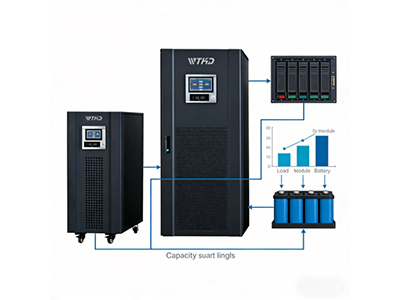
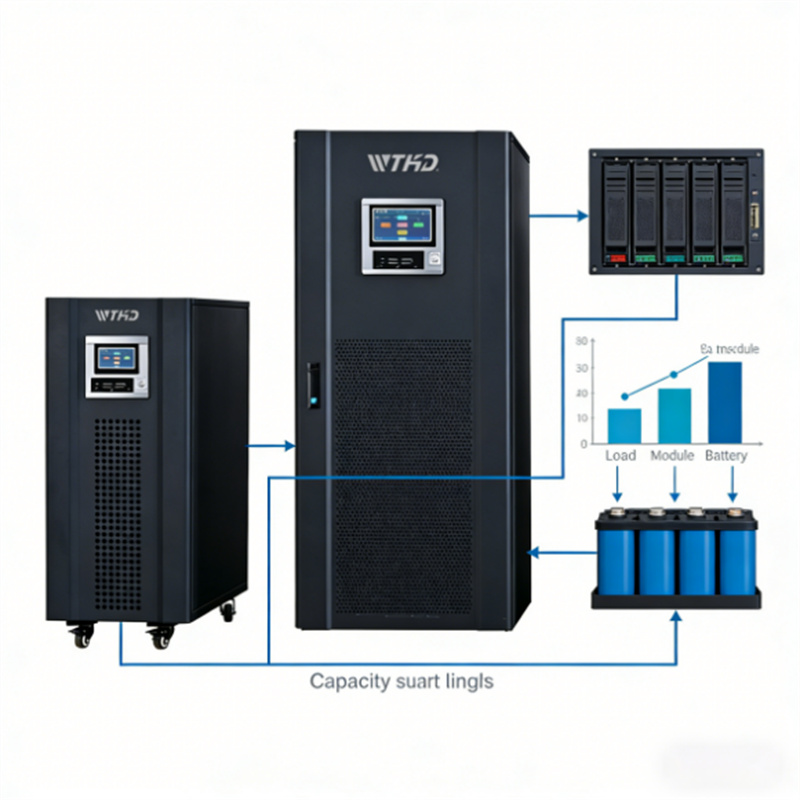
Az Ön UPS-e által táplált berendezések működési ideje főként három alapvető tényezőtől függ. Az első a csatlakoztatott terhelés. Ez az összes, az UPS-hez csatlakoztatott eszköz teljesítményének (wattban vagy volttámban) az összege. Az alapelv egyszerű: minél nagyobb a terhelés, annál rövidebb lesz a működési idő. Egy teljes kapacitáson, vagy közel teljes kapacitáson üzemelő UPS jelentősen rövidebb ideig fog működni, mint amikor egy kisebb, de szükséges – bár nem kritikus – terhelést lát el.
A második tényező a telep állapota és műszaki adatai. A tartalékrendszer legfontosabb eleme a telep. Az ampóra (Ah) értéke közvetlenül tükrözi az energia tárolási kapacitását: minél magasabb az érték, annál hosszabb lehet a működési idő. A telepek azonban idővel romlanak. Tényleges kapacitásukat erősen befolyásolhatja az életkor, a gyakori le- és feltöltési ciklusok, valamint a magas üzemelési hőmérséklet, ezért – adott terhelés mellett is – csökkenhet a tartaléküzem ideje.
Végül a feszültségmentesítő (UPS) kapacitása és terve előre meghatározott. Egy magasabb feszültség-amper (VA) értékkel rendelkező UPS nagyobb terhelést képes ellátni, de belső felépítése és inverter hatásfoka dönti el, hogy mennyire képes hatékonyan átalakítani a tárolt akkumulátorenergiát tisztán kimenő feszültséggé. A Shenzhen Weitu Hongda ipari UPS rendszerei úgy lettek optimalizálva, hogy hatékonyabbak legyenek, és skálázható akkumulátorcsomagokat használhatnak, így alapértelmezett kapacitásuk jelentősen magasabb, és a rendszer hosszabb ideig működik, mint a tipikus kereskedelmi rendszerek.
Hogyan számítsa ki az UPS üzemidejét a teljesítményigényei alapján
Bár a gyártók táblázatokat szolgáltatnak a futási időkről, biztosan becsülheti azokat. Kezdje a kritikus terhelés kiszámításával. Írja le az összes olyan eszközt, amelyet védeni kíván, és adja össze a fogyasztásukat wattban. A legfontosabb változó ez a teljes terhelés. Ezután ismerje meg az UPS akkumulátorának feszültségét és kapacitását. Például egy szokásos online UPS általában 48 V-os és 100 Ah-os akkumulátorbankot tartalmaz.
A legegyszerűbb becslési képlet a következő: (Akkumulátor feszültsége × Akkumulátor amperóra-értéke × Hatásfok) ÷ Terhelés wattban = Közelítő üzemidő órában. A hatásfok tényező, amely általában 0,85 és 0,95 között van nagy minőségű rendszerek esetén, a teljesítményátalakítás során keletkező veszteséget jelöli.
Példaként vegyük egy 500 W-os szerver tápforgalmának biztosítását: egy 48 V-os, 100 Ah kapacitású akkumulátor 90 százalékos hatásfok mellett körülbelül (48 V × 100 Ah × 0,9) ÷ 500 W = kb. 8,6 órás üzemidőt biztosít. Ez egy közelítő számítás. A gyakorlati körülmények fontosak, ezért a Shenzhen Weitu Hongda teljes körű tanácsadási szolgáltatásokat és fejlett szoftvert kínál az Ön berendezéseire és igényeire szabott, pontos üzemidő-szimulációhoz, így biztosítható, hogy az Ön energiaellátási védelmi tervét megbízható adatok alapján állítják össze.
UPS-akkumulátor élettartamának meghosszabbítása: karbantartási és intelligens kezelési tippek
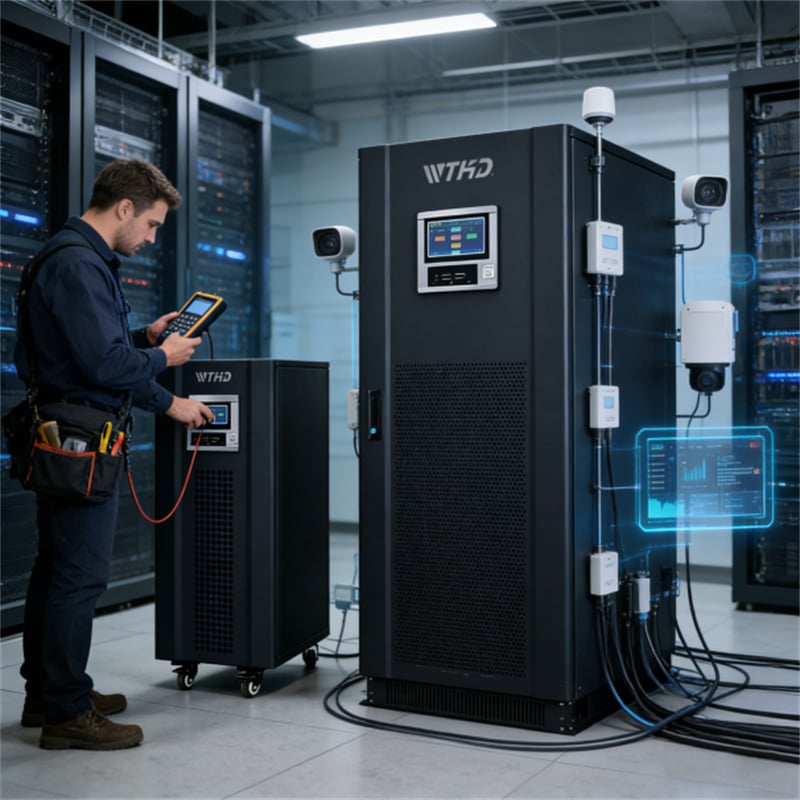
A fogyasztási elemek élettartamának meghosszabbítása a legjobb módja annak, hogy maximalizálja az UPS berendezésébe történő befektetését. Ennek az az oka, hogy az ipari környezetben szakmai karbantartásra van szükség, amelyet rendszeresen és kompromisszumok nélkül kell elvégezni. Ez a tervezett ellenőrzéseket foglalja magában, például a csatlakozók korróziójának vizsgálatát, az akkumulátor feszültségének és belső ellenállásának ellenőrzését, valamint a csatlakozások megfelelő nyomatékkal történő meghúzását. Fontos továbbá a környezeti feltételek kezelése is; ha az UPS berendezést és az akkumulátortárolót hűvös, száraz helyen helyezi el, akkor drasztikusan lecsökkentheti a kémiai öregedés sebességét.
Az intelligens kezelés és figyelés ereje. A modern ipari UPS-rendszerek okos kommunikációs kártyákkal és programokkal vannak felszerelve. Ezek a szoftveres és hardveres eszközök lehetővé teszik az akkumulátor teljesítményének, a terhelésnek és a becsült üzemidőnek a távolról történő nyomon követését. Figyelmeztetnek egy lehetséges akkumulátor-hibáról még azelőtt, hogy az bekövetkezne, így előre cserélheti az akkumulátort, és elkerülhető minden váratlan leállás. Ezen felül az akkumulátor-egészség optimalizálása is lehetséges speciális töltési algoritmusok segítségével, amelyek például hőmérséklet-kiegyenlítést és rendszeres kiegyenlítő töltéseket tartalmaznak.
Végül fogadjon el működési legjobb gyakorlatokat. Ne töltse mélyen a telepített akkumulátorokat túl gyakran. Alkalmazzon egy terheléselosztási (terheléslekapcsolási) szabályzatot, amely érvényesülése esetén a nem lényeges eszközök automatikusan vagy manuálisan kikapcsolódnak áramkimaradás idején, így az akkumulátor energiája a legfontosabb eszközök üzemeltetésére fordítható. Egy olyan szolgáltatóval, mint a Shenzhen Weitu Hongda, intelligens funkciókkal ellátott rendszerekhez és szakmai támogatáshoz juthat hozzá, amelyek segítségével teljes életciklus-kezelési tervet dolgozhat ki és valósíthat meg a feszültségvédelmi eszközeihez kapcsolódóan.
Összegzés
A UPS-háttértáplálás időtartamának ismerete és stratégiázása egy stratégiai folyamat. Nem csupán a terhelés elemzéséről és a megfelelő teljesítménykapacitású rendszer kiválasztásáról van szó, hanem arról is, hogy kiszámítsuk, mire van szükségünk, és végül hosszú távon megbízhatóan fenntartsuk a rendszert. A Shenzhen Weitu Hongda Industrial Co., Ltd. küldetése nem csupán a hardver szállítása, hanem a szakértelem és a szolgáltatás nyújtása is, hogy az Ön vállalkozása folyamatosan működhessen és energiával látható el. Lépjen kapcsolatba csapatunkkal még ma, hogy megbeszéljük az Ön áramvédelmi igényeit, és egy olyan megoldást dolgozzunk fel, amely pontosan biztosítja az Ön vállalkozása számára szükséges üzemidőt.