
 EN
EN
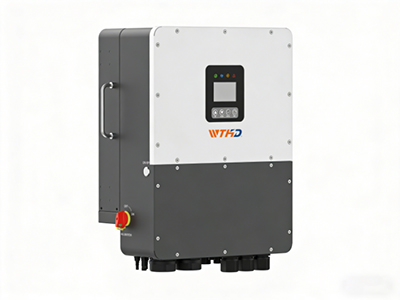
태양광 인버터의 효율은 태양광 에너지 시스템에 투자할 때 전체 성능과 경제적 수익성에 가장 중요한 영향을 미치는 요소 중 하나입니다. 선전 웨이투 홍다 산업 유한공사에서는 선전 웨이투 홍다 산업 유한공사, 저희는 고성능 인버터의 설계 및 제조를 전문으로 하며, 잘 정보화된 고객이 최선의 의사결정자임을 믿습니다. 본 가이드는 인버터 효율 등급에 대한 미스터리를 풀어드리고, 이러한 등급이 귀하의 에너지 발전량은 물론 지갑에도 어떤 영향을 미치는지를 명확히 이해할 수 있도록 도와드립니다.
인버터 효율 이해: 피크 효율 vs. 유럽 효율 vs. 가중 평균 효율
모든 효율 등급이 동일한 것은 아니며, 현명한 구매를 보장하기 위한 첫 단계는 다양한 유형의 효율 등급을 정확히 이해하는 것입니다. 기본적으로 인버터 효율이란 태양광 패널에서 생성된 직류(DC) 에너지를 가정 또는 사업장에서 사용 가능한 교류(AC) 에너지로 변환하는 정도를 의미하며, 나머지 에너지는 열로 소실됩니다.
가장 널리 사용되는 효율 등급은 피크 효율(Peak Efficiency), 유럽 효율(European Efficiency), 그리고 가중 평균 효율(Weighted Efficiency)입니다.
피크 효율은 인버터가 최적의 실험실 조건에서 달성할 수 있는 최고 변환 효율을 의미합니다. 이 수치는 주요 강조 지표로 제시될 수 있으나, 실제 상황에서는 인버터가 단일 최적 피크 점에서만 작동하지 않기 때문에 전체 상황의 일부에 불과합니다.
보다 현실적인 측정 기준은 유럽 효율(Euro η)입니다. 이는 표준화된 유럽 부하 프로파일(5%, 10%, 20%, 30%, 50%, 100%의 출력 수준에서 인버터가 작동한다고 가정한 프로파일)을 고려해 산출된 계산 평균값으로, 대부분 지역에서 일반적으로 관찰되는 작동 조건을 반영합니다. 따라서 이 값은 고립된 피크 성능보다 일상적인 정상 작동 성능을 보다 명확히 나타냅니다.
가장 실용적인 효율 등급은 일반적으로 북미와 같은 시장에서 널리 적용되는 가중 효율(CEC 효율)으로 간주됩니다. 이는 캘리포니아 에너지 위원회(California Energy Commission)에서 개발한 것으로, 인버터가 하루 중 대부분의 시간을 작동하는 저부하 구간에서의 성능에 더 큰 비중을 두는 특별한 계산 방식을 적용합니다. 이 지표는 연간 에너지 수확량을 추정하는 데 있어 유일무이한 정확도를 제공합니다.
심천 웨이투 홍다(Shenzhen Weitu Hongda)에서는 전체 출력 범위에 걸친 성능 최적화 작업을 수행함으로써, 당사 인버터가 최대 출력 시뿐만 아니라 일상적인 가변 부하 조건에서도 우수하고 안정적인 성능을 제공할 수 있도록 설계하였습니다. 이는 잘 구성된 가중 효율 곡선을 통해 명확히 확인할 수 있습니다.
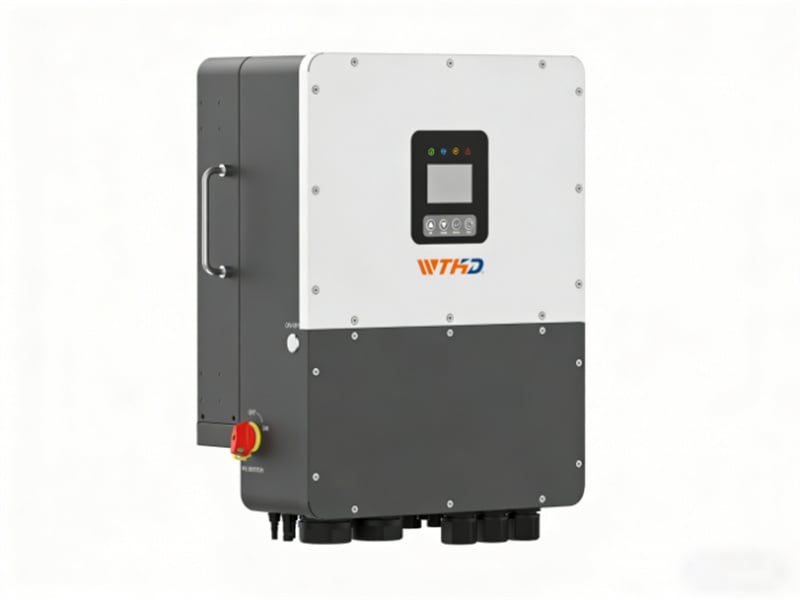
왜 더 높은 효율이 낮은 에너지 손실과 더 나은 투자 수익률(ROI)을 의미하는가
인버터 효율성의 즉각적인 효과는 명확합니다. 효율이 높을수록 전력 변환 과정에서 열 형태로 낭비되는 에너지의 양이 줄어듭니다. 그러나 이는 실제적·재정적으로 어떤 의미를 갖는 것일까요?
효율이 1% 향상된다는 것은 낭비되었을 태양광 에너지를 그대로 확보한다는 것을 의미합니다. 대규모 상업용 또는 산업용 설치 시스템에서는 가중 평균 효율에서 단 1%p의 차이가 연간 수천 킬로와트시(kWh)에 달하는 추가 발전량을 의미할 수 있습니다. 이는 전력 공급업체 요금을 직접 대체할 수 있는 순수한 수확 가능한 에너지입니다.
이로 인해 투자 수익률(ROI)이 향상됩니다. 고효율 인버터는 소중한 태양광 패널의 최대 출력을 실현하는 데 기여하며, 동일한 지붕 면적 또는 부지 면적을 사용하여 더 많은 전력을 얻을 수 있습니다. 원하는 에너지 출력을 더 빠른 속도로 확보할 뿐만 아니라, 패널의 초기 발전량이 다소 감소할 수도 있습니다. 고효율 인버터가 시스템 수명(15~25년) 동안 누적되는 복리 효과는 투자 회수 기간을 실질적으로 단축시켜, 태양광 투자에 대한 수명 주기 전체의 절감액과 가치를 극대화할 수 있습니다.
당사 제품 설계에 효율성을 중점적으로 반영함으로써 선전 웨이투 홍다(Shenzhen Weitu Hongda)는 고객이 구축하는 시스템이 최고 성능으로 작동하고, 최소한의 에너지 손실로 태양광을 전기로 변환함으로써 태양광 도입의 경제적 이점을 극대화할 수 있도록 보장합니다.
다른 브랜드 간 인버터 효율 등급 비교 방법
인버터의 효율성 비교는 매우 신중하고 일관되게 수행되어야 합니다. 이는 동일한 기준으로 비교하고 있음을 보장하는 한 가지 방법입니다.
첫째, 항상 피크 효율성보다는 가중치 부여된 효율성(CEC) 또는 유럽 효율성을 우선적으로 고려하는 습관을 들이십시오. 이러한 측정값은 정규화되어 실제 작동 성능을 훨씬 더 정확히 반영합니다. 제품 사양서를 검토할 때 이 수치들을 반드시 확인하십시오. 높은 피크 효율성과 평범한 가중치 부여된 효율성을 동시에 갖춘 인버터는 하루 동안 최적의 출력을 제공하지 못할 수 있습니다.
둘째, 존재하는 경우 효율성 곡선을 확인하십시오. 우수한 사양서에는 저부하에서 정격 부하까지 다양한 부하 조건에서 인버터의 작동 효율성을 보여주는 그래프가 포함되어 있습니다. 넓은 부하 범위에 걸쳐, 특히 낮은 출력 조건에서도 높은 효율을 유지하는 인버터는, 좁은 피크 효율 범위 내에서만 높은 효율을 발휘하는 인버터에 비해 하루 종일 전반적으로 우수한 성능을 보이는 경향이 있습니다.
마지막으로, 인증 관련 상황입니다. 신뢰할 수 있는 제조사의 효율성 데이터는 독립적이고 공인된 시험 실험실에 의해 인증됩니다. 이러한 제3자 검증은 공표된 수치의 정확성과 신뢰성을 보장합니다. 심천 웨이투 홍다 산업 유한공사(Shenzhen Weitu Hongda Industrial Co., Ltd.)는 당사 인버터의 인증된 성능 데이터를 적극적으로 지원하며, 이는 당사 인버터의 파트너 및 최종 사용자에게 성공적인 비교를 위한 명확하고 신뢰할 수 있는 정보를 제공합니다.
가중치 지표, 성능 곡선, 인증이라는 이 핵심 영역에 집중함으로써, 마케팅 주장의 혼란을 효과적으로 해소하고 향후 수년간 최적의 에너지 수확량과 신뢰성을 제공할 인버터를 선택할 수 있습니다.