
 EN
EN
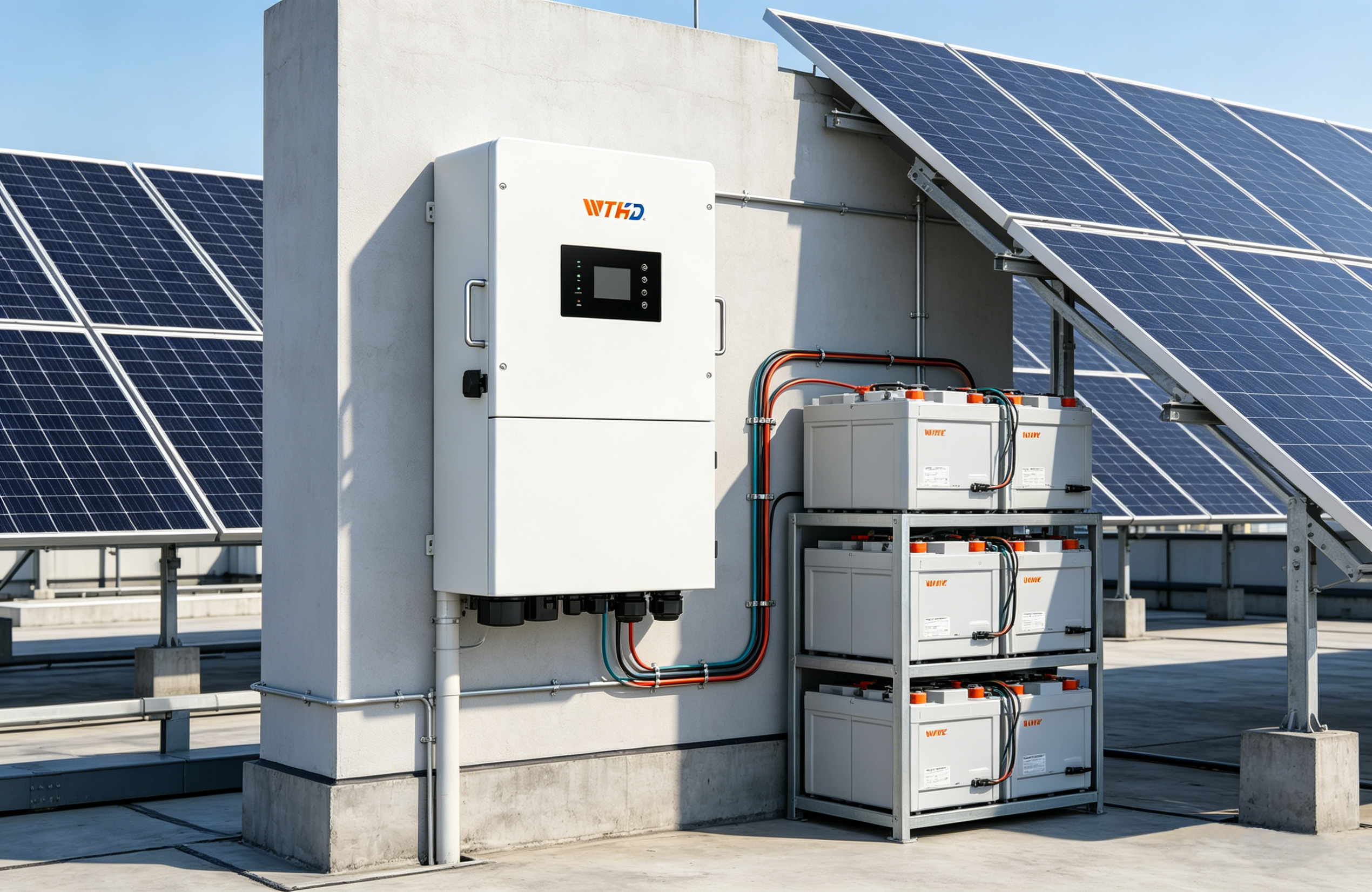
Kwa watoa huduma wa biashara kwa biashara (B2B), kama vile wauzaji, watawala wa mfumo, na wanaotengeneza miradi ya biashara, uchaguzi wa inverter ya mchanganyiko ya kutosha ni sababu muhimu sana katika kuamua utendaji wa mfumo, kufuata sheria, na faida kwa muda mrefu. Inverter za ziara ni ubongo wa kizazi kipya cha mfumo wa nuru ya jua pamoja na uhifadhi na hufanya kazi ya kujenerisha PV, kuchakua na kutoa umeme kwenye betri, na mshiriki wa mtandao. Sababu tatu muhimu za watoa huduma wa biashara zinazojadiliwa chini.
Vipengele Vikuu vya Teknolojia: Uwezo wa Umeme, Eneo la MPPT, na Uwezekano wa Kufanana na Betri
Uchaguzi wowote wa inverter ya mchanganyiko unategemea vipengele vitatu vya msingi.
Ukubwa wa nguvu unaelezea kiasi cha nguvu ya jua na batari ambayo inaweza kusambazwa na mbadala. Wateja wa B2B wanatarajiwa kufanya ulinganisho wa ukubwa wa mbadala na miradi yao ya kawaida—miradi ya nyumba huweza kutumia vituo vya 3kW hadi 10kW na miradi ya biashara huweza kutumia vituo vya 10kW hadi 100kW au zaidi. Hakikisha daima nguvu ya pato la AC na uwezo wa kuingiza PV.
Eneo la MPPT (Ufuatiliaji wa Nguvu ya Juu Kabisa) na idadi ya wafuatiliaji hujenga moja kwa moja kwenye kusafirisha nishati. Kwa kutumia eneo la voltage la MPPT la upana zaidi (k.m.f., 150 V hadi 800 V), unaweza kuunda mpangilio wa paneli kwa urahisi zaidi na kuanza kazi mapema katika mazingira ya nuru chini. Wafuatiliaji wengi wa MPPT hupunguza hasara kutokana na kuzimwa kwa sehemu tu, ambayo ni muhimu sana katika usanidi wa juu ya paa wenye mwelekeo uliochanganyika.
Uwezekano wa kufanana na betri unazoongezeka muhimu kwa inverter za mchanganyiko. Inaunga mkono volti za betri (48 V, 96 V au volti ya juu ya 400 V+), miongozo ya mawasiliano (CAN bus, RS485), na inaweza kutumika pamoja na betri za lithium iron phosphate (LiFePO4), ambayo ni fomu ya kawaida ya uhifadhi wa nishati. Inverter nyingine hazina mapendekezo maalum kuhusu betri, au zinahitaji brandi maalum au betri zenye haki za kujitegemea.
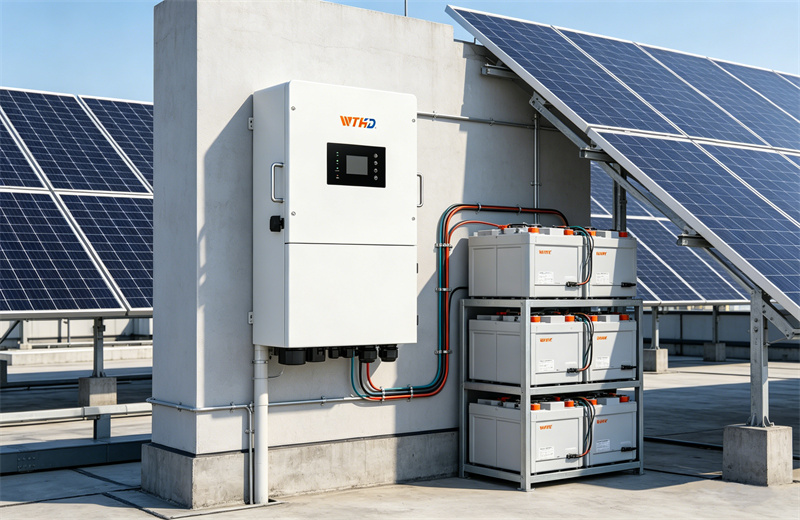
Utangulizi wa Mto na Mahitaji ya Usimamizi wa Uthibitisho kwa Masoko ya Kimataifa
Wateja wa B2B wanaopanda masoko ya kimataifa watahitaji kushughulikia kanuni mbalimbali za mtu na mfumo wa uthibitisho. Inverter ambayo ni halali katika suku moja inaweza kuwa ile isiyo halali kusakinishwa katika suku nyingine.
Baadhi ya uthibitisho muhimu vinavyotarajiwa ni:
IEC/EN 62109 (kisasa cha usalama cha mabadilisho ya nguvu)
VDE-AR-N 4105 (Ujerumani), G98/G99 (Uingereza), UL 1741 (Amerika Kaskazini), au AS/NZS 4777 (Australia) kwa uunganisho wa mtu
CE, FCC, RoHS kwa masoko ya Ulaya na Amerika Kaskazini
ISO9001, ISO14001 kwa usimamizi wa ubora na mazingira kutoka kwa mtengenezaji
Wanunuzi wanatakiwa kudai ripoti za majaribio ya kufuata gridi ya taifa kutoka kwa maabara zilizoidhinishwa. Katika kesi ya miradi mikubwa ya miundombinu (usambazaji wa umeme wa reli, majengo ya akili), vyeti vingine GB/T (China) au EN 50155 (reli) vinaweza kutumika. Daima shughulika na watengenezaji ambao wana vyeti vya hivi karibuni kwa masoko yako lengwa.
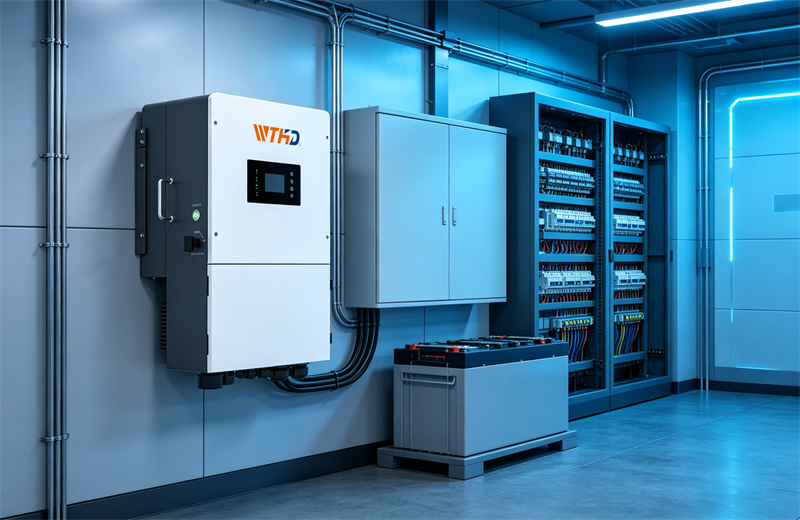
Utekelezaji wa OEM/ODM kwa kujitolea na msaada baada ya mauzo kwa wauzaji
Huduma za OEM na ODM ni mambo muhimu sana katika kesi ambapo wauzaji na watafiti wa mfumo wanajenga alama yao mwenyewe. Vipengele vya msingi vya utekelezaji kwa kujitolea ni:
Kuweka lebo binafsi (lebo, uvunja, maelekezo ya mtumiaji)
Ghafu maalum ili kufanana na mtandao fulani.
Rangi ya kuvunjika kwa vitambaa vya kuingiza au aina za viongozi.
Jukwaa la kufuatilia kwa pamoja linalojumuisha.
Msaada baada ya mauzo pia ni muhimu sana. Wanunuzi wa B2B wanahitaji kuzingatia:
Masharti ya garanti (miaka 5–10 ni ya kawaida, upendeleo wa kuzidisha unaopatikana)
Upatikanaji wa vitu vya mabadiliko na muda wa kusafirishwa
Mafunzo ya kifani kwa wafanyikazi wa kuanzisha katika eneo hilo
Hifadhi ya bidhaa katika eneo hilo au mabwana ya huduma ya mikoa
Mchakato wa RMA kwa vitu vilivyoharibika
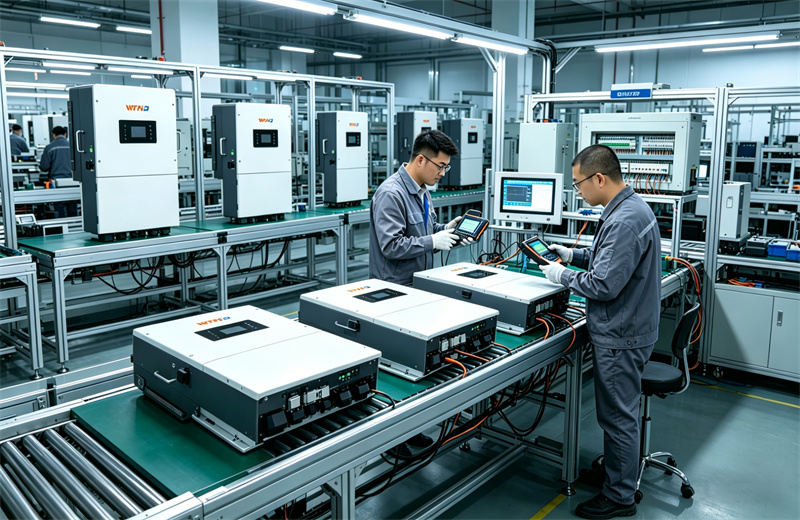
Watengenezaji ambao wana idara zao za utafiti na maendeleo na idara za uhandisi wa ndani kama vile Shenzhen Weitu Hongda Industrial Co., Ltd. wanaweza kutoa muda wa haraka wa ubinafsishaji na usaidizi wa kiufundi wa haraka zaidi. Usaidizi wa kuwaagiza kazi na mifumo ya ufuatiliaji wa mbali itakuwa na manufaa makubwa kwa wasambazaji wenye wateja wa mawasiliano ya simu, matibabu au viwandani wa mbali.
Hitimisho
Wateja wa B2B wanahitaji kuzingatia inverteri za mchanganyiko kwa kuzingatia sifa za teknolojia (uvumilivu wa nguvu, uwezo wa MPPT, uwezekano wa kufanya kazi pamoja na batari), uthibitisho wa utakatifu wa mtandao katika masoko ambayo wanataka kufanya biashara, na uboreshaji kwa kutumia OEM/ODM na huduma bora za baada ya mauzo. Kwa uthibitisho wa ISO na CE, kituo cha utafiti na maendeleo kinachofanya kazi kwa ufanisi, na mfumo kamili wa bidhaa kama vile mfumo wa UPS, inverteri za jua, na uhifadhi wa nishati, Shenzhen Weitu Hongda Industrial Co., Ltd. inatoa suluhisho moja-kwa-moja ya nishati yenye uboreshaji kwa vituo vya mawasiliano, nishati, usafiri, na viwanda vya afya na fedha duniani. Wasiliana nasi kuhusu mahitaji yako ya inverteri ya mchanganyiko.