
 EN
EN

NEWS
UPS and Lithium Battery Storage for Modern Critical Power
The Evolution of UPS Battery Systems
Battery storage has always been an essential part of UPS systems. Traditionally, lead-acid batteries were widely used for short-duration backup power.
Today, lithium-ion battery technology is becoming increasingly important in modern critical power applications because of its high energy density, compact design and flexible operating characteristics.
According to Uptime Institute, lithium-ion remains the most widely deployed battery technology for data center battery energy storage applications, while other battery technologies are still developing commercially.
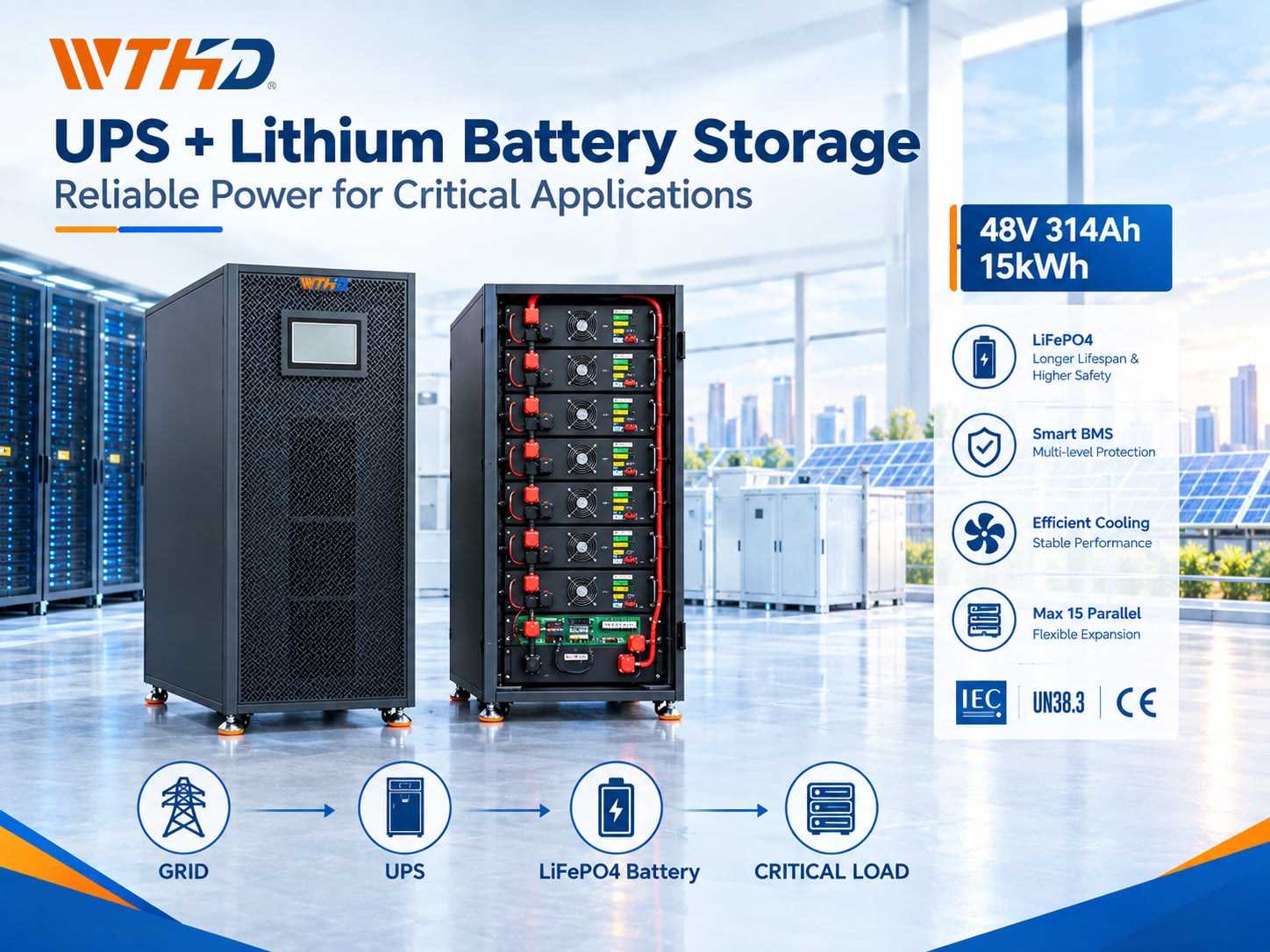
Why Lithium Batteries Are Attractive for UPS Applications
Lithium battery systems can provide several potential advantages:
Higher energy density: More energy can be stored within a relatively compact footprint.
Longer service life: Depending on the battery chemistry and operating conditions, lithium systems can support longer operating lifecycles.
Compact installation: Reduced battery footprint can be valuable where space is limited.
Battery management: Integrated BMS technology can monitor battery status and improve system management.
Flexible energy applications: Battery storage can support UPS backup and, in suitable system architectures, other energy-management functions.
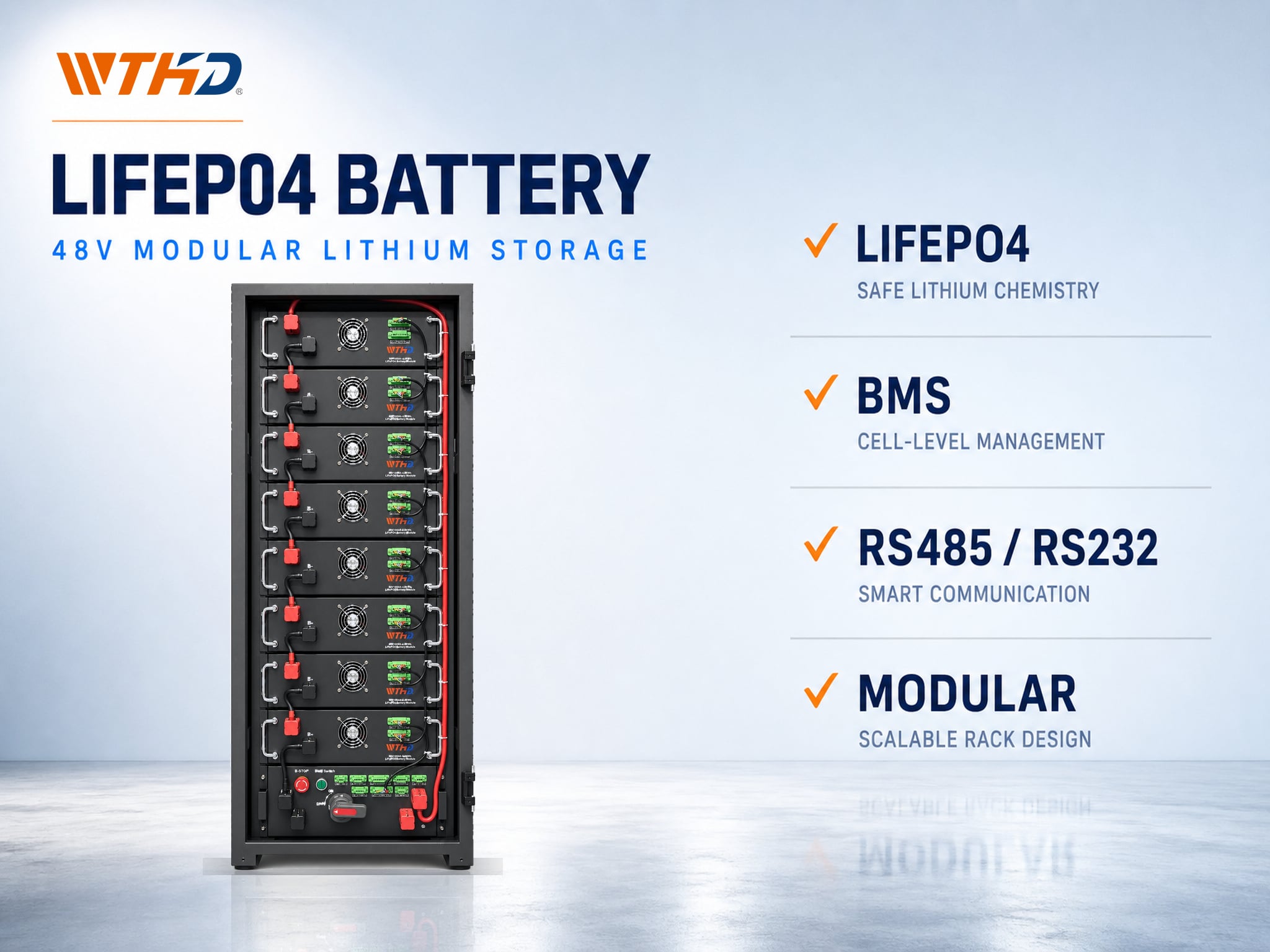
UPS and Energy Storage Working Together
The role of battery storage is expanding beyond traditional emergency backup.
Modern energy systems increasingly combine UPS, batteries, renewable generation and intelligent energy management. Depending on the application, battery storage can support power continuity, peak shaving, renewable energy integration and power balancing.
For large data centers, industry research indicates that battery energy storage is being considered for multiple applications alongside UPS, although deployment beyond established UPS use cases is still developing.
Building a Scalable Critical Power System
A reliable UPS and battery system should be designed around the actual application.
Key considerations include:
· Required backup time
· Load power and growth
· Battery chemistry
· Operating temperature
· BMS communication
· Safety and certification
· Maintenance requirements
· Future system expansion
The combination of UPS technology and advanced lithium battery storage provides a flexible foundation for modern critical power infrastructure.
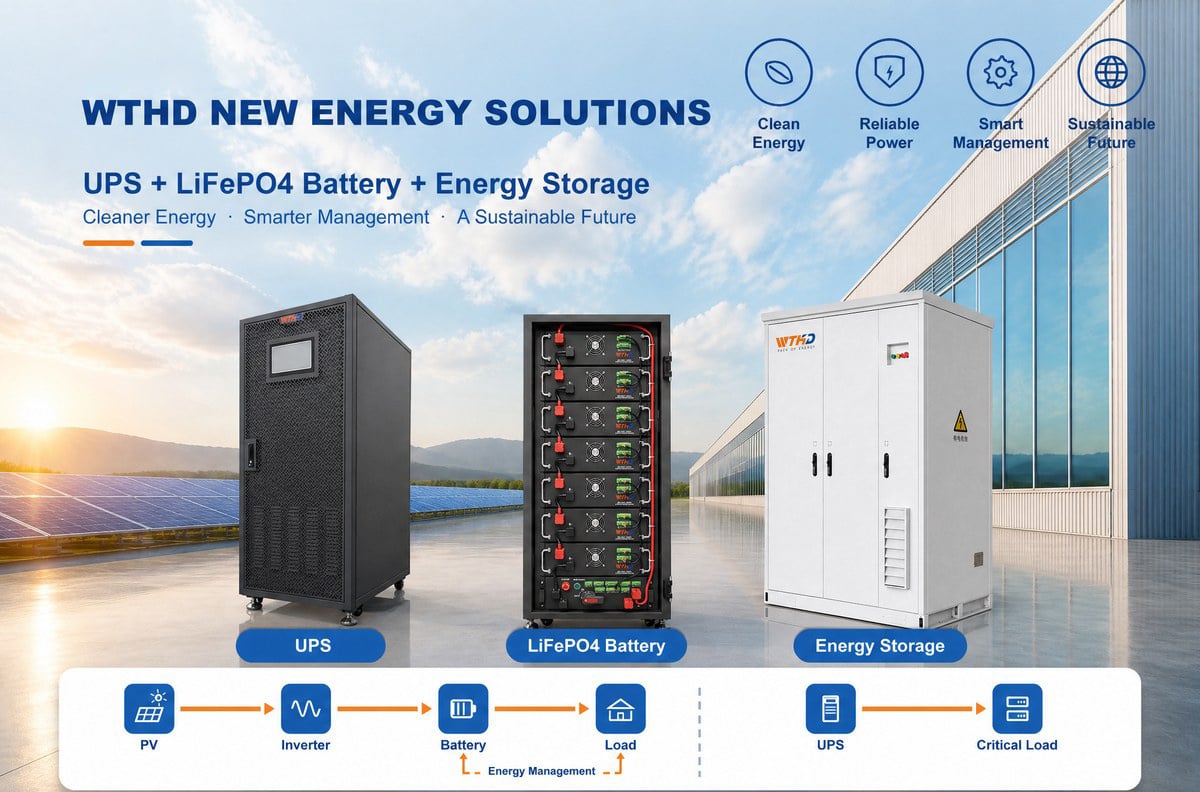
Reliable Energy for a Changing Power Landscape
As data centers, industrial facilities and renewable energy projects continue to develop, the relationship between UPS and energy storage is becoming increasingly important.
WTHD provides UPS, lithium battery and energy storage solutions designed for critical power and energy applications. Contact our team to discuss your required capacity, backup time and system configuration.