 EN
EN
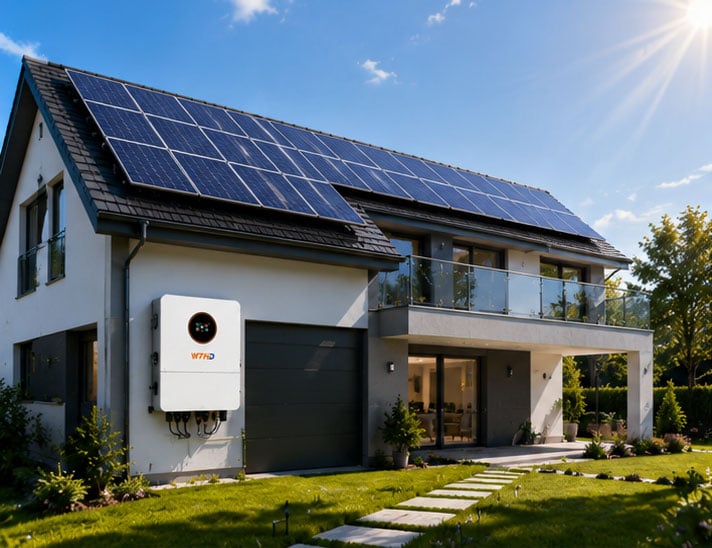
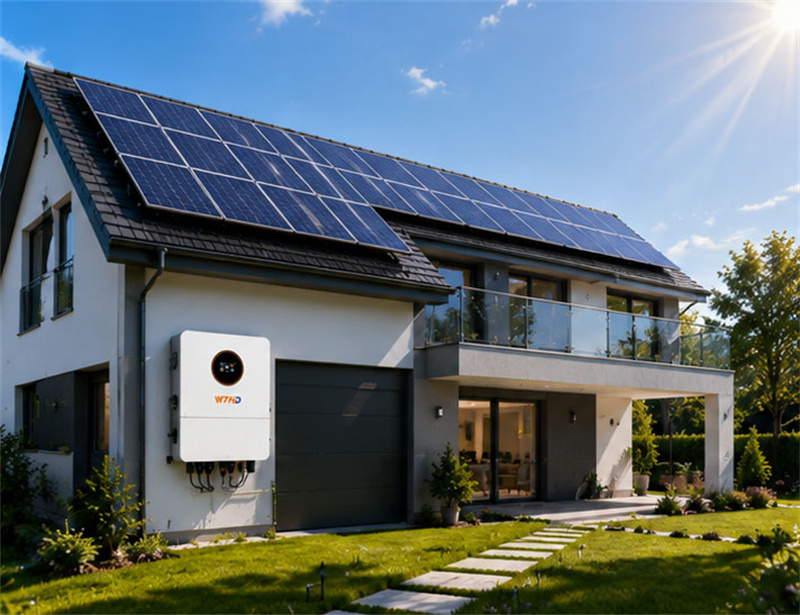
Solar Energy Independence is an achievable reality. More than a political catch-cry, the ability to generate your own power for reduced cost and greater reliability, has now become a tangible goal for both businesses and homes alike. The enabling technology behind solar independence? The hybrid inverter; the brain which links solar panels, batteries and the grid together to optimize your power usage.
Maximizing Solar Energy Self-Consumption
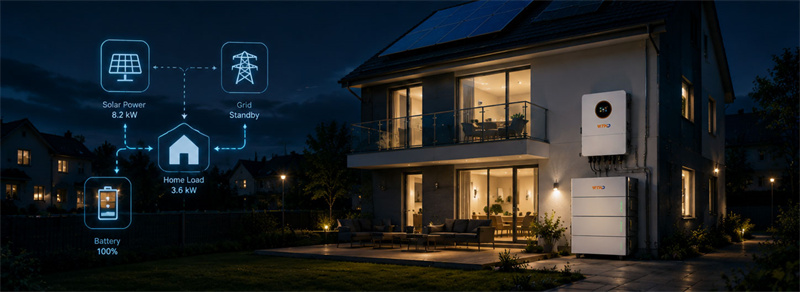
A direct advantage of having a hybrid inverter is that it will prefer using solar power on location over anything else. It’s simple: as soon as there’s available solar power from the panels it will charge a home or business’s loads first, charge batteries second, and sell only the excess to the grid if the batteries are full. Using this intelligent method you drastically increase how much solar you’re using, not how much you sell back at wholesale rates.
That number says something. Germany-the nation with one of the highest penetrations of home batteries and rooftop solar-has seen its self-consumption grow from 3.55 terawatt hours in 2020 to 12.28 TWh in 2024. That now covers nearly 17% of all net solar electricity produced. And frankly, it makes economic sense to consume the electricity you generate rather than purchasing it from the grid.
It makes a huge difference at the household level. An advanced real-time load schedule energy management system could decrease grid exports by more than 78% and increase household solar self-consumption by up to 42%. So, you’re sending less of the electricity generated by your solar panels to the grid, and you’re sending less money to your utility company.
Integrating Battery Storage for Greater Energy Efficiency
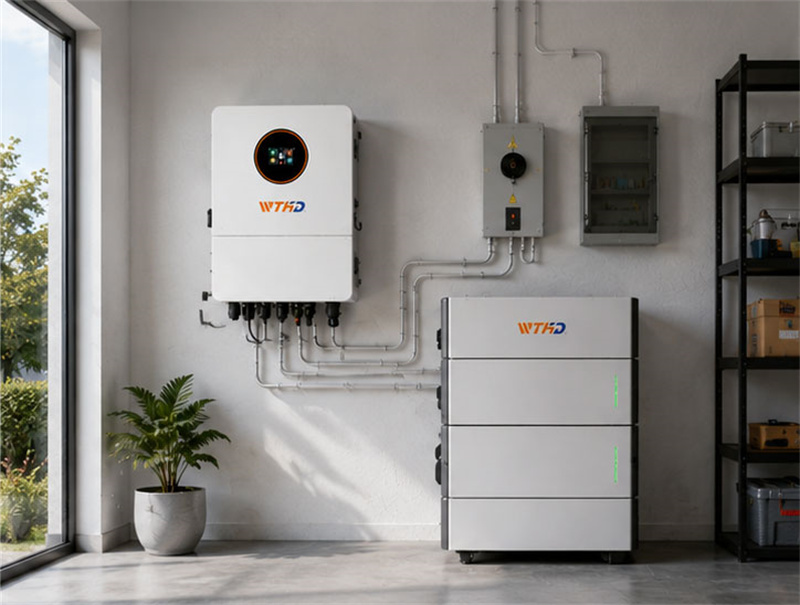
What differentiates a hybrid inverter from a regular grid-tied inverter is its capacity to integrate with battery storage. This inverter handles the movement of power in two directions. It takes DC power from the solar panels and transforms it into AC power that your home can use, and it takes the AC power from the grid, transforms it into DC power and stores it in the battery when electricity rates are low.
By adding storage, energy efficiency increases significantly. Unused solar energy can be captured by the battery and put to use later, in the evening, in overcast weather, or during times when utility electricity is more expensive. Shifting energy consumption in this manner fills in the gap between the production of solar electricity and when you need to consume it in your home.
When batteries are part of a residential system the advantages are substantial. New hybrid inverters typically reach between 96-99% conversion efficiency for PV to inverter to battery/load, and up to 98% battery to load, PV to load efficiencies. MPPT efficiency, the maximum power point that allows the inverter to optimize your solar production, reaches greater than 99%. Overall, only minimal amounts of the energy produced are lost.
How Hybrid Inverters Reduce Grid Dependence
How solar generation and batteries coupled with smart energy control from a hybrid inverter immediately minimizes grid dependency “As the hybrid inverter’s controller understands when the grid is online and healthy, it makes real time economic decisions for what is the cheapest source of energy to use, solar first, battery during peak prices and grid only when there’s no other option,” says an inverter manufacturer
During a grid outage, your hybrid inverter can seamlessly and automatically disconnect the inverter and switch to off-grid operation. It draws the DC power from your battery and converts it to steady AC power to run essential appliances without a break in supply. It all occurs within milliseconds.
This functionality is crucial for businesses or home owners located in regions that experience a weak or inconsistent grid infrastructure. While hybrid system can reduce dependence on the grid up to 80% for residential usage, their impact for industrial and commercial use would surely increase the rate. The system reduces operating costs, hedging against rapidly changing energy prices, and assurance in an unreliable grid system.
What does this hybrid approach deliver? Increased household autonomy and decreased electricity costs When households and business owners have the ability to generate their own clean electricity, you are able to provide a significant amount of power directly to where it is consumed by your home or place of business, meaning there is absolutely no grid loss during transit, reduce strain on the grid during peak times, and you will ultimately help the world transition away from fossil fuels.
Shenzhen Weitu Hongda Industrial Co., Ltd. has been committed to offering high quality hybrid inverter and energy storage solutions since 2015. Hybrid energy technologies have already served huge infrastructure construction such as China-Laos Railway and Hungary-Serbia Railway. In the context where independence and energy self-sufficiency becoming a global agenda, hybrid inverters are playing a central role in achieving it.