
 EN
EN

Today, in our high-tech world, there isn’t room for anything less than operational resiliency. And no factor is as disruptive as a power outage, which can cost companies more than just income from interrupted sales. These days, the right Uninterruptible Power Supply (UPS) system makes the vital difference between a complete outage and total chaos.
How UPS Systems Prevent Downtime During Power Failures
A UPS system is the barrier that separates your equipment from utility power. A battery backup is a part of every UPS that can power up your equipment if your primary source of power is gone. UPS systems are capable of such an immediate reaction because data corruption or system crashes caused by an electrical surge can do significant damage.
A UPS is fundamentally an interruption of power until the generator kicks in and is stabilized or the systems have time to be brought down in a controlled manner. Where the loss of power of seconds is too much for hospital systems providing critical support or for the servers in data centers to stay up and for the emergency comm systems then the UPS is that link.
As well as giving your equipment the juice it needs to get through a power outage, the UPS actually purifies it as it enters your hardware. Your equipment is protected from those voltage sags, surges and fluctuations that, with time, cause your gear to begin breaking down. So, UPS gives you both of what it does for you: emergency power backup and clean, steady power quality.

Protecting Critical Equipment and Sensitive Data
While the dollar amount for equipment replacement after a power event can be quite steep, however, the cost for loss of data often dwarfs the cost of replacing hardware. Medical charts, financial statements, research information and client data, it’s all what drives your organization today. The risk for data loss from a power failure is acute. Power protection offers you the precious minutes required to safeguard your work and bring your equipment down cleanly before that data gets lost.
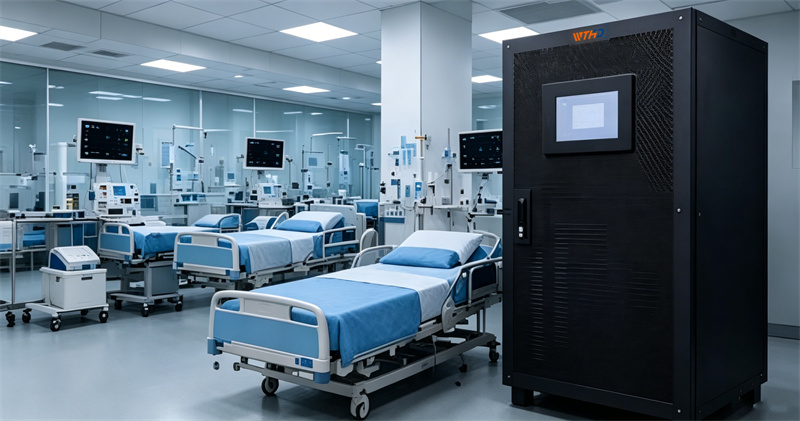
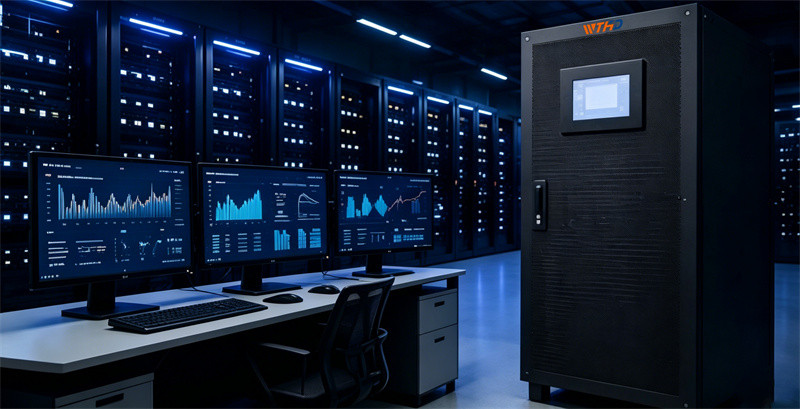
UPS solutions play an indispensable role in healthcare for patient care and secure information, the essential data of patients. If you were a medical expert you could understand that patient record access and patient care access would definitely save human lives in case of an emergency situation. In data centers, UPS solutions help ensure server and critical infrastructure power availability and help keep your systems operational long enough to execute a planned or emergency migration of work loads or to finish a necessary process that might prevent loss to you hardware and the important data.
Consider also the financial services sector. Financial organizations like banks or trading platforms are constantly performing transactions and there is rarely a second when the lights go off, be it to execute an order, display a balance, or anything else. An interruption to the power even just a few seconds can affect a trade and can result in serious damage to customer satisfaction and also violate any relevant regulations, that's what the UPS powers and assures the continuity of your operations so your clients can rest easy knowing that there is no way to shut down their operations.
Building Business Continuity with Reliable UPS Solutions
But it’s about much more than just surviving the immediate power outage. It is about ensuring that your organization can continue to meet its customer needs and its core mission, and a smart UPS plan is a key component to the business continuity planning process.
Contemporary UPS systems offer more than just emergency power back up with innovative capabilities providing better system visibility and efficiencies. With real time monitoring facilities can anticipate needs and identify and resolve system failures before they become problems. By interfacing with building management systems they gain a holistic overview of power usage and equipment.
A smart UPS solution also goes beyond looking at the power demands of devices to how you’ve designed your power protection architecture overall. Many large organizations, for example, use several UPSs in parallel redundancy. That way, if one needs a bit of maintenance, or decides to spontaneously take a vacation, the others pick up the load without skipping a beat. Your operations scale up; so can your power.
Integrating lithium-ion battery technology in UPS is another huge upgrade. These batteries are known for lasting longer and requiring less maintenance while taking up significantly less space. Companies can then provide optimal power protection while using less real estate and less resources, both of which contribute to their operations sustainability goals.
Summary
Shenzhen Weitu Hongda Industrial Co., Ltd has been serving this critical mission for more than 10 years, with smart energy solutions like power supplies for communications equipment, UPS and power storage system serving the backbone of industries like data centers, hospitals, the railway system and new energy. Because we realize operational strength means much more than the actual equipment it is the assurance that, come what may, your organization will not waver in its mission.
Choosing to purchase UPS solutions is also a form of investment in the future of your business that makes it ready to deal with and respond to all of the “unforeseen” occurrences that can challenge the viability and security of any organization and assure trust.