
 EN
EN
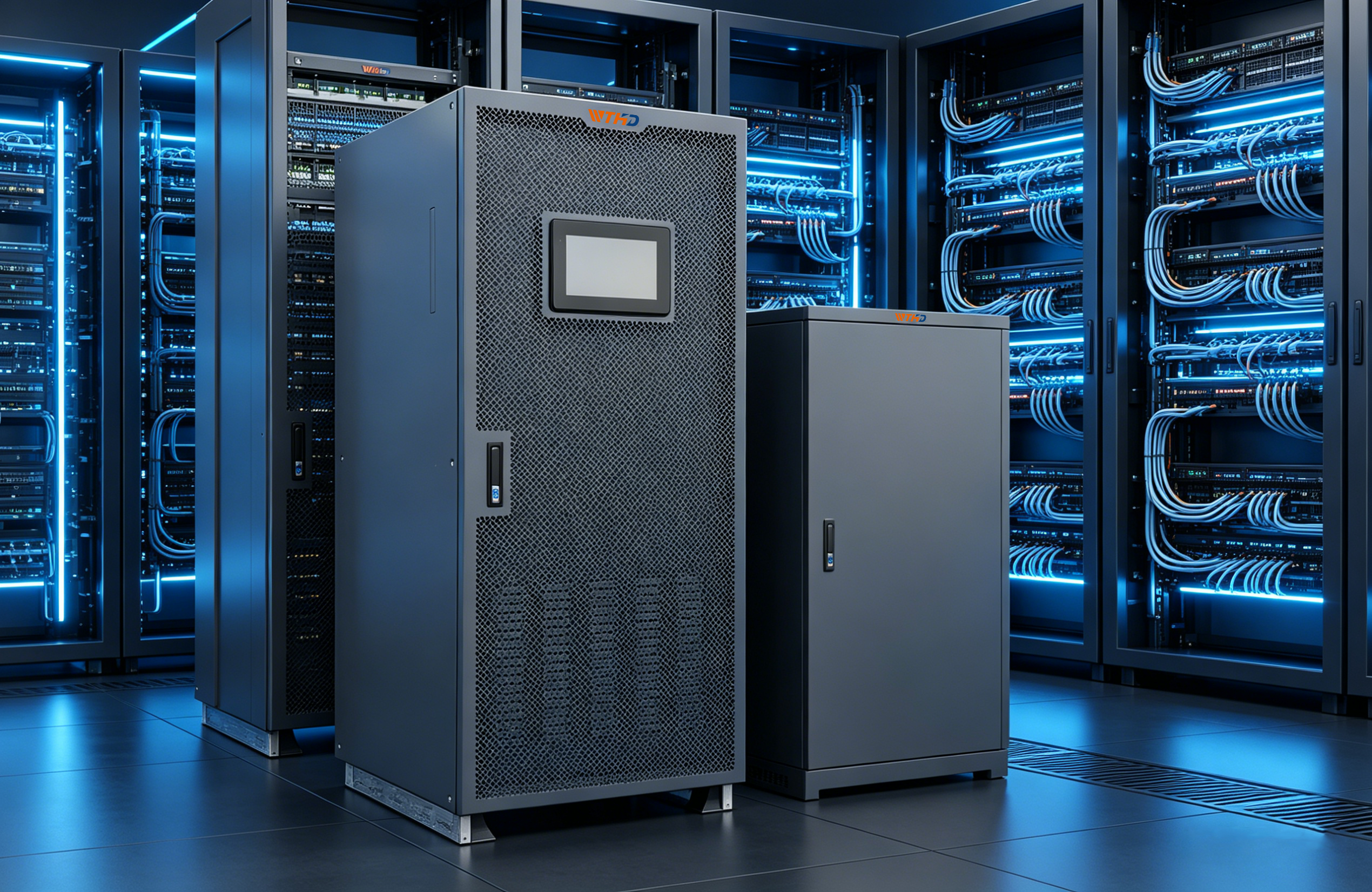
ການເລືອກຢ່າງໜຶ່ງທີ່ສຳຄັນເມື່ອເລືອກ ອຸປະກອນສະຫນອງພະລັງງານຢ່າງຕໍ່ເນື່ອງ (UPS) ເພື່ອໃຊ້ໃນການນຳໃຊ້ B2B ສູນຂໍ້ມູນ , ຫ້ອງສົ່ງສັນຍານໂທລະຄົມ, ແຕ່ງຕັ້ງອຸດສາຫະກຳ, ຫຼື ລະບົບໄຟຟ້າຂອງເສັ້ນທາງລົດໄຟ ແມ່ນ ວິທີການອອກແບບຄວາມຕ້ານທານຂອງແບດເຕີ່ຣີ່. ທັງລະບົບຄວາມຕ້ານທານສູງ (400 V ເຖິງ 800 V DC) ແລະ ລະບົບຄວາມຕ້ານທານຕ່ຳ (48 V ເຖິງ 220 V DC) ມີຂໍ້ດີຂອງຕົນເອງ. ເພື່ອເພີ່ມປະສິດທິພາບຂອງສາງໄຟຟ້າທີ່ສຳຄັນຂອງທ່ານໃຫ້ສູງສຸດ, ມັນຈຳເປັນຕ້ອງເຂົ້າໃຈການແລກປ່ຽນລະຫວ່າງປະສິດທິພາບ, ຄວາມປອດໄພ ແລະ ຄວາມເໝາະສົມກັບການນຳໃຊ້.
ການປຽບທຽບປະສິດທິພາບລະຫວ່າງລະບົບແບດເຕີ່ຣີ່ UPS ທີ່ມີຄວາມຕ້ານທານສູງ ແລະ ຕ່ຳ
ລະບົບ UPS ທີ່ເຮັດວຽກທີ່ຄວາມຕ້ານທານສູງມີປະສິດທິພາບທີ່ສູງຂຶ້ນຫຼາຍ, ໂດຍເປັນພິເສດໃນລະດັບພະລັງງານສູງ. ວິທີການອອກແບບຄວາມຕ້ານທານສູງມີ ປະສິດທິພາບການໃຊ້ໄຟຟ້າໄປ-ກັບ 94–97% , ເທືອບໃນລະບົບໄຟຟ້າຕ່ຳທີ່ມີການຕິດຕັ້ງຂະໜາດໃຫຍ່ (ເທິງ 100kW) ມີປະສິດທິພາບ 88-92%. ນີ້ເກີດຂື້ນເປັນຫຼັກເນື່ອງຈາກປະລິມານກະແສໄຟທີ່ຕ່ຳລົງ, ເນື່ອງຈາກວ່າລະບົບໄຟຟ້າຄວາມດັນສູງສາມາດໃຊ້ກະແສໄຟທີ່ຕ່ຳລົງໃນການສົ່ງພະລັງງານໃນປະລິມານດຽວກັນ, ສິ່ງນີ້ຈະຫຼຸດຜ່ອນການສູນເສຍພະລັງງານທີ່ເກີດຈາກຄວາມຕ້ານ (I2R) ໃນເຄັບເປີ, ຕົວເຊື່ອມຕໍ່, ແລະ ບັດບາ (busbars). ລະບົບໄຟຟ້າຄວາມດັນສູງຍັງສາມາດເຊື່ອມຕໍ່ໂດຍກົງເຂົ້າກັບຕູ້ຖ່າງໄຟລິເທີຽມທີ່ທັນສະໄໝໂດຍບໍ່ຕ້ອງມີການປ່ຽນແປງຄວາມດັນເປັນຊີຣີສ-ແປລເລວ (series-parallel) ເຊິ່ງຈະເກີດການສູນເສຍພະລັງງານ. ຕ້ອງໃຊ້ບັດບາທີ່ເຮັດຈາກທອງໝາກທີ່ໜາຫຼາຍເພື່ອຮັບກະແສໄຟທີ່ສູງ (ຕົວຢ່າງ: 1,000A+ ເພື່ອຮັບພະລັງງານ 50kW) ໃນລະບົບໄຟຟ້າຄວາມດັນຕ່ຳ, ໂດຍເປັນພິເສດໃນລະດັບ 48V, ສິ່ງນີ້ເຮັດໃຫ້ຕົ້ນທຶນການຕິດຕັ້ງແລະການສູນເສຍພະລັງງານເພີ່ມຂື້ນ. ໃນສະຖານທີ່ທີ່ມີຄວາມສຳຄັນສູງທີ່ຕ້ອງເຮັດວຽກຢ່າງຕໍ່ເນື່ອງ 24/7, ປະສິດທິພາບທີ່ສູງຂື້ນ 5-8% ຂອງລະບົບໄຟຟ້າຄວາມດັນສູງຈະເຮັດໃຫ້ປະຢັດຄ່າໄຟຟ້າໄດ້ເປັນຈຳນວນຫຼາຍພັນດ້ອລ໌ຕໍ່ປີ.
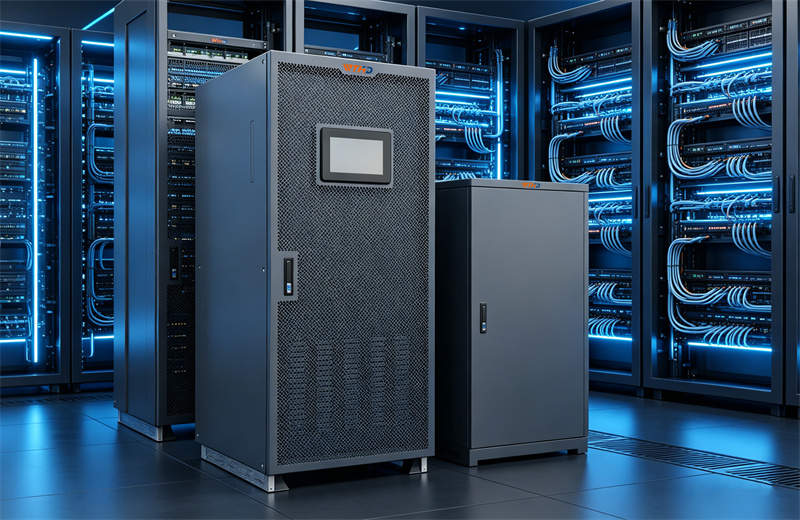
ຄຳພິຈາລະນາດ້ານຄວາມປອດໄພສຳລັບການຕິດຕັ້ງ UPS ຄວາມດັນສູງໃນສະຖານທີ່ອຸດສາຫະກຳ
ລະບົບ UPS ທີ່ໃຊ້ຄວາມຕີ່ນເຄື່ອນສູງຕ້ອງການມາດຕະການຄວາມປອດໄພທີ່ເຂັ້ມງວດ. ຄວາມຕີ່ນເຄື່ອນທີ່ສູງຂຶ້ນ (ເທິງ 400 V DC) ຕ້ອງມີການປ້ອງກັນເພີ່ມເຕີມ: ການວິເຄາະອັນຕະລາຍຈາກການແຕກຂອງແສງຟ້າ (arc-flash), ເຄື່ອງມືທີ່ຫຸ້ມດ້ວຍວັດສະດຸທີ່ບໍ່ນຳໄປສົ່ງໄຟ, ເຂດທີ່ເຂົ້າໄປໃຊ້ງານໄດ້ຈຳກັດ, ແລະ ການຝຶກອົບຮົມເປັນພິເສດສຳລັບບຸກຄະລາກອນທີ່ດຳເນີນການບຳລຸງຮັກສາ. ແຕ່ຢ່າງໃດກໍຕາມ, ລະບົບຄວາມຕີ່ນເຄື່ອນສູງທີ່ທັນສະໄໝໃນປັດຈຸບັນມີລະບົບຈັດການແບດເຕີຣີ (BMS) ທີ່ໃຊ້ການຕັດຕໍ່ດ້ວຍ contactor, ການປ້ອງກັນດ້ວຍ fuse ໃນແຕ່ລະ string, ແລະ ເຄື່ອງກວດສອບການຫຼຸດລົງຂອງການຫຸ້ມຫໍ່ (IMD) ເພື່ອກຳນົດບັນຫາການຕິດດິນ (ground fault) ກ່ອນທີ່ຈະກາຍເປັນອັນຕະລາຍ. ສຳລັບສະຖານທີ່ຂະໜາດນ້ອຍທີ່ບໍ່ມີຫ້ອງໄຟຟ້າເປັນການສະເພາະ, ລະບົບຄວາມຕີ່ນເຄື່ອນຕ່ຳ (48V–110V) ແມ່ນເໝາະສົມທີ່ສຸດ ເນື່ອງຈາກມັນປອດໄພກວ່າສຳລັບບຸກຄະລາກອນທີ່ເຮັດວຽກໃກ້ກັບຂາເຊື່ອມທີ່ເປີດເຜີຍ. ອັນທີ່ແທ້ຈິງແມ່ນ, ໃນສະຖານທີ່ອຸດສາຫະກຳທີ່ຜູ້ປະຕິບັດບໍ່ໄດ້ຮັບການຝຶກອົບຮົມ, ຫຼື ບ່ອນທີ່ຜູ້ປະຕິບັດຕ້ອງສຳຜັດກັບອຸປະກອນເປັນປະຈຳ, ຄວາມສ່ຽງຈາກການໄຟຟ້າດູດຈະຖືກຫຼຸດລົງຢ່າງມີນັກສຳລັບລະບົບຄວາມຕີ່ນເຄື່ອນຕ່ຳ. ຢ່າງໃດກໍຕາມ, ການຕິດຕັ້ງລະບົບຄວາມຕີ່ນເຄື່ອນສູງໃນສະພາບການທີ່ຄວບຄຸມໄດ້ດີ, ເຊັ່ນ: ຫ້ອງເກັບແບດເຕີຣີເປັນການສະເພາະທີ່ມີການຄວບຄຸມການເຂົ້າເຖິງ ແລະ ອຸປະກອນປ້ອງກັນສ່ວນບຸກຄົນ (PPE) ທີ່ເໝາະສົມ, ໄດ້ຖືກນຳໃຊ້ຢ່າງກວ້າງຂວາງ ແລະ ໄດ້ພິສູດແລ້ວວ່າປອດໄພໃນສູນກາງໂທລະຄົມມະນິການ ແລະ ສູນຂໍ້ມູນ (data centers) ນັບພັນແຫ່ງທົ່ວໂລກ. ສິ່ງນີ້ຈະຖືກກຳນົດໂດຍໂຄງສ້າງຄວາມປອດໄພ ແລະ ຄວາມສາມາດໃນການບຳລຸງຮັກສາຂອງສະຖານທີ່ຂອງທ່ານ.
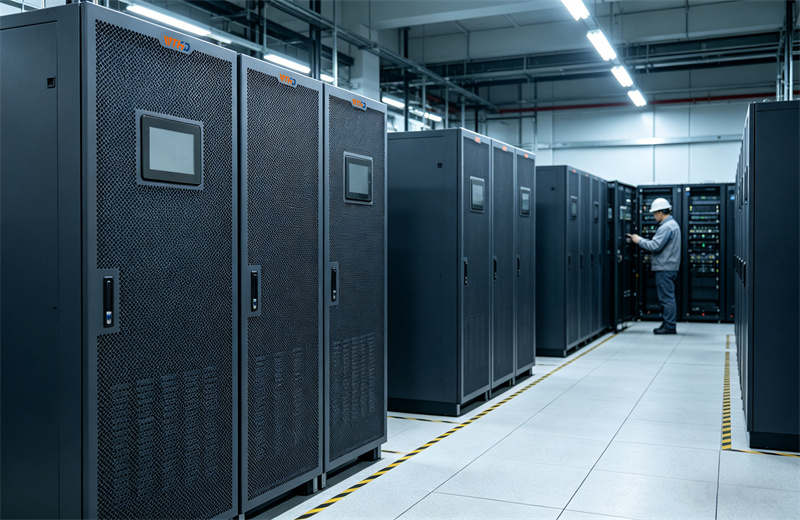
ແບດເຕີ່ຣີ່ UPS ຂອງຄວາມຕື້ນໄຟຟ້າໃດດີກວ່າສຳລັບສູນຂໍ້ມູນ (Data Centers) ແລະ ໂຄງການທາງດ້ານໂທລະສື່ສານ (telecom projects) ?
ໃນກໍລະນີຂອງສູນຂໍ້ມູນ (Data Centers), ລະບົບ UPS ທີ່ມີຄວາມຕື້ນໄຟຟ້າສູງ (400 V - 800 V DC) ແມ່ນກຳລັງກາຍເປັນມາດຕະຖານ. ລະບົບເຫຼົ່ານີ້ມີປະສິດທິພາບທີ່ດີຂື້ນໃນການເຮັດວຽກທີ່ມີພາລະບັນທຸກມາດຕະຖານຂອງສູນຂໍ້ມູນ (200kW-2MW), ມີລາຄາຖືກກວ່າໃນສ່ວນຂອງທໍ່ນຳໄຟຟ້າທີ່ເຮັດຈາກທອງແດງ, ແລະສາມາດເຊື່ອມຕໍ່ໂດຍກົງກັບແບດເຕີ່ຣີ່ລິເທີ້ມ (lithium batteries). ຄວາມຕື້ນໄຟຟ້າສູງຍັງຊ່ວຍຍືດເວລາໃນການໃຊ້ງານ (run time) ໄດ້ດີຂື້ນເນື່ອງຈາກມີສາຍແບດເຕີ່ຣີ່ທີ່ເຊື່ອມຕໍ່ກັນແບບ song song (parallel strings) ໜ້ອຍລົງ, ແລະຍັງງ່າຍຕໍ່ການຈັດການແບດເຕີ່ຣີ່ອີກດ້ວຍ.
ສຳລັບ ໂຄງການທາງດ້ານໂທລະສື່ສານ (telecom projects) ເປັນເລື່ອງຂອງຂະໜາດ (scale). ຄວາມຕື້ນໄຟຟ້າສູງ (240 V ຫາ 400 V) ແມ່ນຖືກນຳໃຊ້ຢ່າງກວ້າງຂວາງໃນສຳນັກງານສູນກາງ (central offices) ທີ່ມີໂຮງງານຜະລິດໄຟຟ້າ DC ຢ່າງໃຫຍ່ (10kW ຫາ 100kW) ເພື່ອບັນລຸເປົ້າໝາຍດ້ານປະສິດທິພາບ. ແຕ່ສຳລັບສິ່ງອຳນວຍຄວາມສະດວກດ້ານໂທລະສື່ສານທີ່ຢູ່ໄກ (remote telecom shelters), ໂທລະຄົມເຊວ (cell towers) ແລະຕູ້ອຸປະກອນທີ່ຕັ້ງຢູ່ນອກບ້ານ (outdoor cabinets) ແລ້ວແຕ່ມັກຈະຖືກຈ່າຍໄຟດ້ວຍ ລະບົບໄຟຟ້າ DC ຄວາມຕື້ນຕ່ຳ 48V , ມາດຕະຖານອຸດສາຫະກຳທີ່ໃຊ້ໃນເຄືອຂ່າຍໂທລະສັບມາເປັນເວລາຫຼາຍທົດສະວັດ. ອຸປະກອນ 48V ມີຄວາມສ່ຽງຕໍ່ຄວາມປອດໄພຂອງເຈົ້າໜ້າທີ່ດ້ານເທັກນິກທີ່ເຮັດວຽກຢູ່ໃນສະຖານທີ່ທີ່ບໍ່ມີການຄວບຄຸມຫຼາຍນ້ອຍ, ແລະ ລະບົບເຄື່ອງປ່ຽນແປງໄຟຟ້າ (rectifiers), ແບດເຕີຣີ່ ແລະ ສ່ວນປະກອບການຈ່າຍໄຟຟ້າທີ່ເຮັດວຽກດ້ວຍ 48V ແມ່ນມີຢູ່ທົ່ວໄປ ແລະ ມີຄວາມເຂັ້ມແຂງຢ່າງດີ. ສ່ວນຫຼາຍຂອງຜູ້ໃຫ້ບໍລິການເຄືອຂ່າຍໂທລະສັບດຳເນີນງານເຄືອຂ່າຍເຂົ້າເຖິງ (access networks) ດ້ວຍໄຟຟ້າ 48V, ແລະ ສິ່ງອຳນວຍຄວາມສະດວກຂອງເຄືອຂ່າຍຫຼັກ (core network facilities) ດ້ວຍໄຟຟ້າທີ່ມີຄ່າຄວາມຕ້ານທາງສູງກວ່າ.
ສະຫຼຸບ
ເລືອກໃຊ້ UPS ທີ່ມີຄ່າຄວາມຕ້ານທາງສູງໃນສູນຂໍ້ມູນຂະໜາດໃຫຍ່ ແລະ ສຳນັກງານສູນກາງ ໂດຍທີ່ປະສິດທິພາບ ແລະ ການປະຢັດພື້ນທີ່ເປັນສິ່ງສຳຄັນພໍທີ່ຈະຄຸ້ມຄ່າໃນການນຳໃຊ້ມາດຕະການຄວາມປອດໄພທີ່ທັນສະໄໝ. ໃຊ້ໄຟຟ້າຄ່າຕ່ຳ (48V) ໃນເຄືອຂ່າຍເຂົ້າເຖິງຂອງເຄືອຂ່າຍໂທລະສັບ, ສະຖານທີ່ທີ່ຢູ່ຫ່າງໄກ ແລະ ສິ່ງອຳນວຍຄວາມສະດວກຂະໜາດນ້ອຍ ໂດຍທີ່ຄວາມປອດໄພຂອງເຈົ້າໜ້າທີ່ດ້ານເທັກນິກ ແລະ ຄວາມເຂັ້ມແຂງຂອງລະບົບເຄື່ອງຈັກ-ອຸປະກອນທີ່ມີຢູ່ແລ້ວເປັນເລື່ອງທີ່ສຳຄັນທີ່ສຸດ. ໃນການຕິດຕັ້ງແບບຮ່ວມ (hybrid deployments), ບໍລິສັດ Shenzhen Weitu Hongda Industrial Co., Ltd. ສະເໜີວິທີແກ້ໄຂ UPS ແລະ ການເກັບຮັກສາພະລັງງານທີ່ຖືກອອກແບບເປັນພິເສດສຳລັບທັງສອງລະດັບຄ່າຄວາມຕ້ານທາງ, ມີການຮັບຮອງຕາມມາດຕະຖານ ISO ແລະ CE. ຕິດຕໍ່ພວກເຮົາເພື່ອພັດທະນາການປ້ອງກັນພະລັງງານທີ່ເໝາະສົມສຳລັບສິ່ງອຳນວຍຄວາມສະດວກຂອງທ່ານ.